
Understanding Diabetes: Prevention, Care, and Everyday Management
Diabetes is one of the most common chronic conditions today — yet many people don’t realize how manageable it can be with the right lifestyle and care. When blood sugar (glucose) levels stay higher than normal for long periods, it can affect energy, vision, heart health, and even wound healing. At Family First Primary Clinic, our focus is on helping patients understand their condition and build a personalized plan for lifelong health and balance.
What Is Diabetes?
Diabetes occurs when your body either doesn’t produce enough insulin or can’t use it effectively. Insulin is a hormone made by the pancreas that helps glucose from food enter your cells to be used as energy. Without proper insulin function, sugar builds up in your blood — leading to short-term symptoms and long-term complications if left untreated.
There are three main types of diabetes:
- Type 1 Diabetes: The immune system destroys insulin-producing cells; usually diagnosed in childhood or young adulthood.
- Type 2 Diabetes: The most common type; occurs when your body becomes resistant to insulin or doesn’t make enough of it.
- Gestational Diabetes: Develops during pregnancy and usually goes away after delivery, but increases the risk of Type 2 later in life.
Common Symptoms to Watch For
Diabetes can develop gradually, and many people don’t notice symptoms at first. Early recognition allows for faster management and better outcomes.
- Increased thirst and frequent urination
- Unexplained weight loss
- Extreme fatigue
- Blurred vision
- Slow-healing cuts or frequent infections
- Numbness or tingling in hands and feet
If you experience these symptoms, it’s important to get your blood sugar levels checked. Early diagnosis can prevent serious complications like nerve damage, kidney issues, or heart disease.
How to Manage Diabetes Effectively
Living with diabetes means learning how to balance your food, activity, and medication — but with consistency, it becomes second nature. Here are some essential habits for managing diabetes successfully:
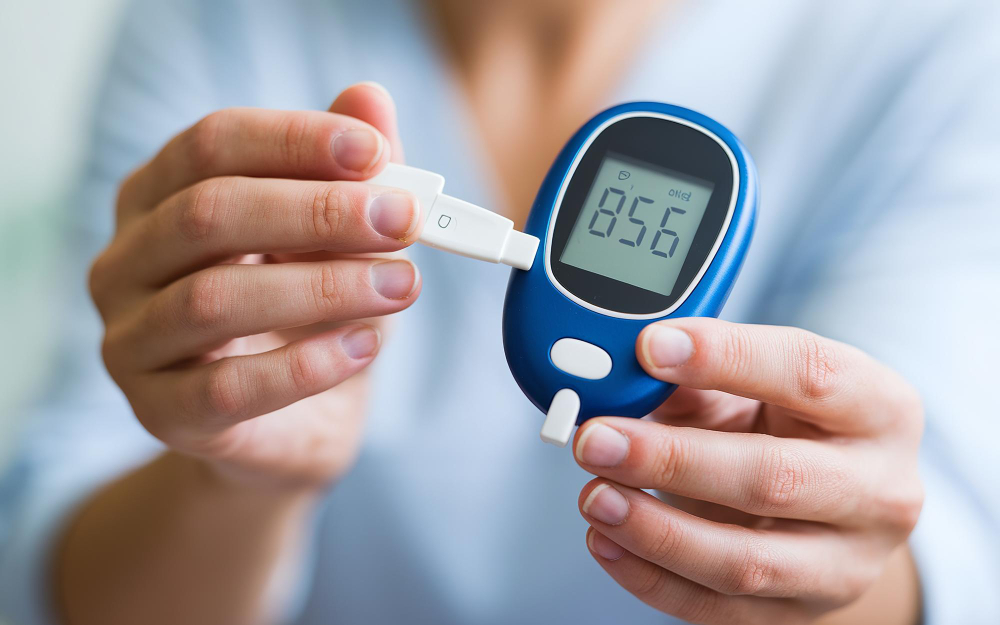
- Monitor blood sugar regularly – Keep track of your readings and note how food, stress, and exercise affect your numbers.
- Eat a balanced diet – Include whole grains, vegetables, lean proteins, and healthy fats. Avoid refined sugars and processed foods.
- Exercise regularly – Aim for at least 150 minutes of physical activity per week to help regulate insulin and glucose levels.
- Take medications as prescribed – Follow your doctor’s guidance on insulin or oral medicines to keep blood sugar in check.
- Manage stress – Chronic stress can raise blood sugar; relaxation techniques like meditation or yoga can help.
Preventing Type 2 Diabetes
Even if you’re at risk, lifestyle changes can delay or prevent Type 2 diabetes. Small, steady improvements in your daily routine can make a lasting difference.
- Maintain a healthy weight
- Limit sugary drinks and high-carb foods
- Get enough sleep — at least 7 hours a night
- Have your blood sugar checked during annual physicals
When to See a Doctor
Regular checkups are key for anyone living with diabetes or at risk for it. A primary care provider can help monitor blood sugar trends, adjust medications, and watch for early signs of complications.
At Family First Primary Clinic, we offer comprehensive diabetes management plans, lifestyle counseling, and on-site lab testing — making it easier to track your progress and stay in control of your health.
Conclusion
Diabetes doesn’t have to limit your lifestyle or future. With the right support, awareness, and everyday discipline, it’s possible to lead a healthy, active, and fulfilling life. At Family First Primary Clinice, we’re here to walk alongside you — every step, every checkup, every choice — toward a balanced, healthier tomorrow.