Understanding and Managing Hypertension: A Guide to Heart Health
Hypertension, commonly known as high blood pressure, is one of the most widespread chronic health conditions affecting adults today. Often called the “silent killer,” it can go unnoticed for years while quietly damaging your arteries, heart, and other organs. The good news? With early detection and lifestyle changes, hypertension is highly manageable — and you can protect your heart health for years to come.
What Exactly Is Hypertension?
Blood pressure measures the force of blood pushing against your artery walls. When this pressure remains consistently high, it puts extra strain on your heart and blood vessels — that’s hypertension.
Blood pressure readings are classified as:
- Normal: Below 120/80 mmHg
- Elevated: 120–129 / less than 80 mmHg
- Stage 1 Hypertension: 130–139 / 80–89 mmHg
- Stage 2 Hypertension: 140+ / 90+ mmHg
Over time, uncontrolled hypertension can lead to heart disease, kidney damage, stroke, or vision problems — making early management essential.
Common Causes and Risk Factors
While genetics can play a role, many risk factors for hypertension are lifestyle-related. Understanding these can help you take proactive steps toward prevention.
- High sodium (salt) intake
- Being overweight or obese
- Smoking and excessive alcohol use
- Chronic stress and lack of physical activity
- Family history of hypertension
- Underlying conditions like diabetes or kidney disease
Recognizing the Symptoms
Hypertension often develops without obvious symptoms, which is why regular checkups are so important. However, in some cases, you may experience:
- Frequent headaches or dizziness
- Shortness of breath
- Blurred vision
- Chest pain or palpitations
- Fatigue or confusion (in severe cases)
Effective Ways to Manage High Blood Pressure
Managing hypertension doesn’t always mean medication alone — in fact, small lifestyle changes can make a big difference. Here’s how to start improving your heart health today:
- Eat heart-healthy foods – Focus on fruits, vegetables, whole grains, and low-fat dairy. Limit salt, fried foods, and processed snacks.
- Exercise regularly – Aim for at least 30 minutes of moderate activity (like brisk walking) five days a week.
- Reduce stress – Try relaxation techniques such as deep breathing, meditation, or yoga.
- Limit alcohol and quit smoking – Both can raise your blood pressure and damage blood vessels over time.
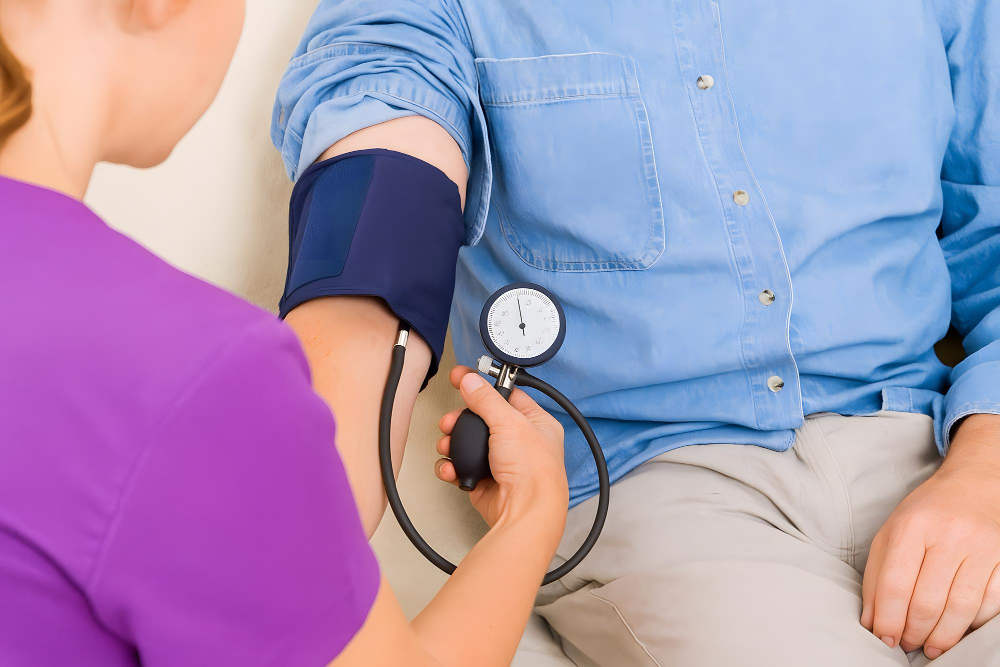
- Monitor your blood pressure – Keep a home BP monitor and track your readings regularly.
When to See a Doctor
High blood pressure rarely improves on its own — professional medical support can prevent long-term complications. Visit your doctor if you have elevated readings on multiple occasions or experience symptoms like chest pain or blurred vision.
At Family First Primary Clinic, we provide comprehensive blood pressure checks, medication management, and personalized lifestyle counseling to help you stay in control of your heart health.
Conclusion
Hypertension may be common, but it’s also one of the most preventable and controllable health conditions. Through healthy habits, regular monitoring, and ongoing medical support, you can protect your heart and live a fuller, longer life. At Family First Primary Clinic, our mission is simple — to keep your family’s heart beating strong, one healthy step at a time.