
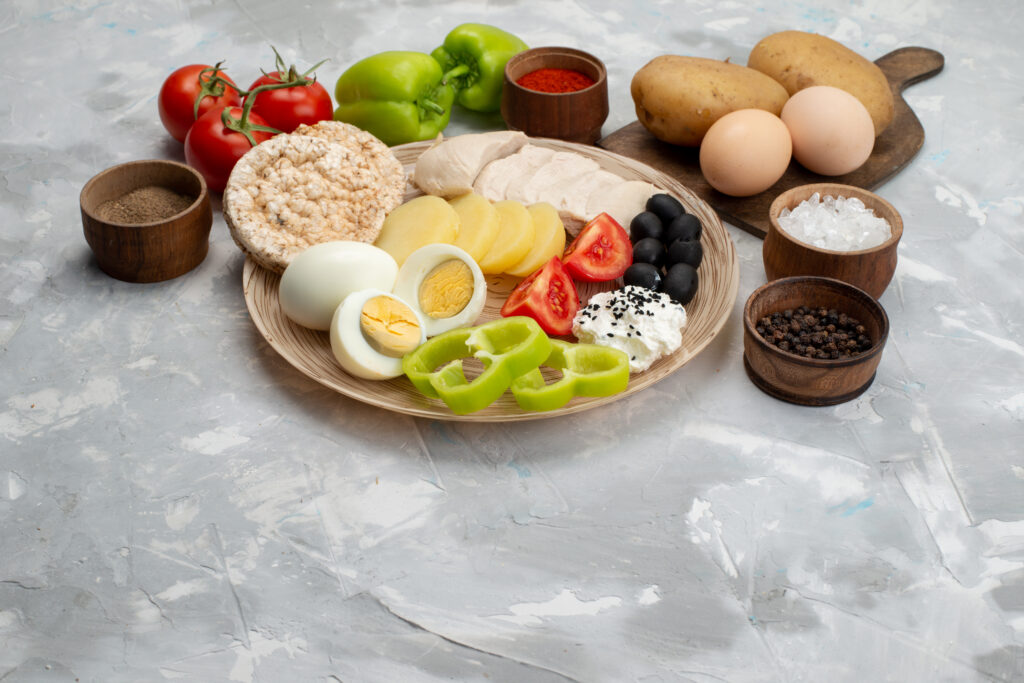
Maintaining healthy cholesterol levels is essential for heart health and overall well-being. Choosing the Best foods for cholesterol control can significantly reduce the risk of heart disease, stroke, and other cardiovascular complications. Diet plays a powerful role in managing cholesterol naturally, often alongside lifestyle changes and medical guidance when necessary.
Understanding which foods help lower harmful cholesterol while boosting beneficial cholesterol allows individuals to make informed dietary decisions that support long-term health.
Understanding Cholesterol and Its Impact
Cholesterol is a fatty substance found in the blood that the body needs for building cells and producing hormones. However, excessive cholesterol — particularly low-density lipoprotein (LDL), often called “bad cholesterol” — can accumulate in artery walls and restrict blood flow.
There are two main types:
- LDL (Low-Density Lipoprotein): Linked to plaque buildup in arteries
- HDL (High-Density Lipoprotein): Helps remove excess cholesterol from the bloodstream
Balancing these levels is key to preventing cardiovascular disease.
Best Foods for Cholesterol Control
Including the Best foods for cholesterol control in daily meals helps regulate cholesterol levels naturally. A balanced, heart-friendly diet focuses on fiber-rich, nutrient-dense, and healthy-fat foods that promote cardiovascular health.
Here are some of the most effective options:
1. Oats and Whole Grains
Whole grains contain soluble fiber that reduces LDL cholesterol absorption. Foods like:
- Oatmeal
- Brown rice
- Whole wheat bread
- Barley
Regular consumption supports gradual cholesterol reduction.
2. Fatty Fish
Fish rich in omega-3 fatty acids help lower triglycerides and improve heart health. Examples include:
- Salmon
- Mackerel
- Sardines
- Tuna
These healthy fats reduce inflammation and support circulation.
3. Nuts and Seeds
Almonds, walnuts, flaxseeds, and chia seeds provide healthy fats, fiber, and plant sterols that help lower bad cholesterol levels. Moderate daily portions can significantly benefit heart health.
4. Fruits Rich in Soluble Fiber
Certain fruits naturally support cholesterol control:
- Apples
- Pears
- Citrus fruits
- Berries
Their fiber content helps reduce cholesterol absorption while supplying antioxidants.
5. Vegetables and Leafy Greens
Vegetables such as spinach, broccoli, carrots, and okra provide fiber, vitamins, and plant compounds that support cardiovascular health and reduce cholesterol levels.
6. Healthy Plant Oils
Replacing saturated fats with healthier oils can make a big difference:
- Olive oil
- Avocado oil
- Canola oil
These oils help maintain balanced cholesterol levels when used appropriately.
7. Legumes and Beans
Beans, lentils, chickpeas, and peas are excellent sources of plant protein and fiber. They help lower LDL cholesterol while promoting satiety and digestive health.
Foods to Limit for Better Cholesterol Control
Along with healthy choices, limiting certain foods is essential:
- Processed foods high in trans fats
- Fried foods
- Red meat in excess
- Sugary snacks and beverages
- High-fat dairy products
Reducing these helps prevent cholesterol buildup.
Lifestyle Factors That Complement a Heart-Healthy Diet
Diet works best when combined with other healthy habits:
Regular Exercise
Physical activity raises HDL (good cholesterol) and improves circulation.
Weight Management
Maintaining a healthy weight helps regulate cholesterol naturally.
Stress Management
Chronic stress may indirectly affect cholesterol levels through lifestyle habits.
Avoid Smoking
Smoking lowers HDL cholesterol and damages blood vessels.
When Medical Guidance Is Necessary
While diet plays a major role, some individuals may need professional medical support due to:
- Genetic cholesterol disorders
- Existing heart conditions
- Diabetes or hypertension
- Persistent high cholesterol despite lifestyle changes
Regular checkups ensure timely diagnosis and appropriate treatment.
Long-Term Benefits of Cholesterol Control
Consistent cholesterol management supports:
- Reduced heart disease risk
- Improved circulation
- Better energy levels
- Lower stroke risk
- Enhanced overall health
Small daily choices often produce significant long-term health improvements.
Supporting Heart Health Through Smart Nutrition
Choosing the Best foods for cholesterol control is a proactive step toward protecting heart health and preventing cardiovascular disease. Balanced nutrition, regular checkups, and consistent lifestyle habits together create a strong foundation for long-term wellness.
For individuals seeking personalized guidance, routine screenings, and preventive care, FFPC Clinic provides comprehensive primary healthcare support. Their patient-centered approach helps individuals understand cholesterol risks, adopt healthier dietary habits, and maintain better heart health for the future.
Frequently Asked Questions
In many cases, dietary changes significantly improve cholesterol levels, especially when combined with exercise and healthy lifestyle habits.
Noticeable improvements can occur within a few weeks to months, depending on consistency and overall health status.
Primary care clinics like FFPC provide personalized health advice, routine screenings, and dietary recommendations tailored to individual cholesterol levels.
Yes, FFPC focuses on preventive primary care, including cholesterol monitoring, lifestyle counseling, and risk assessment for cardiovascular conditions.
Absolutely. FFPC offers ongoing monitoring, treatment guidance, and patient education to help individuals maintain healthy cholesterol levels safely.